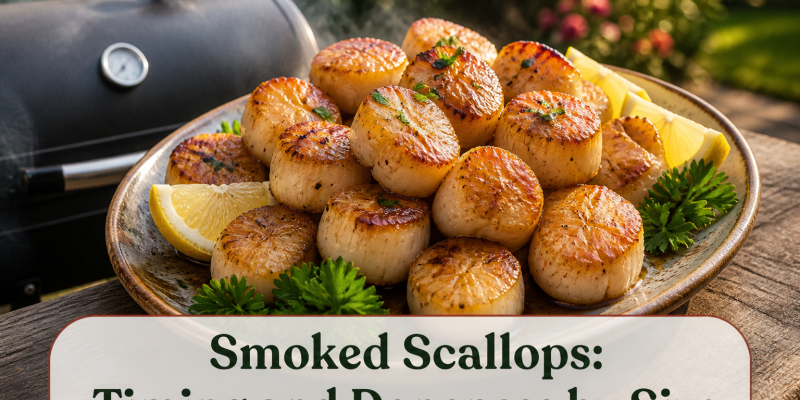
Group scallops by diameter, dry the surface thoroughly, and check the coldest center early because the safe-to-dry window is short.

Group scallops by diameter, dry the surface thoroughly, and check the coldest center early because the safe-to-dry window is short.
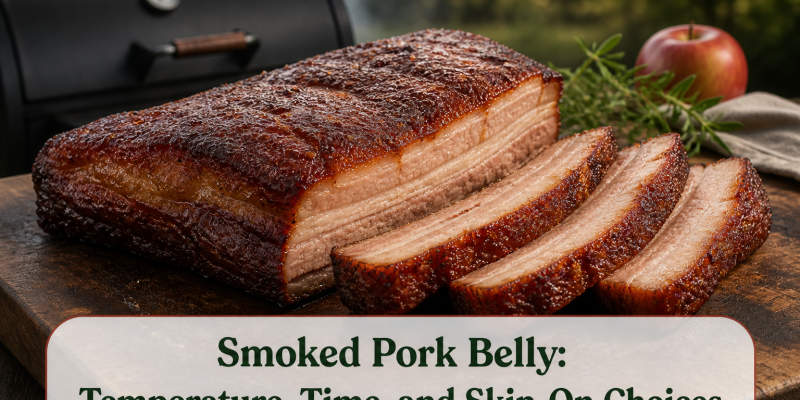
Separate the 145°F safety floor from the higher temperature used for tender rendered belly, and choose the skin plan before seasoning.
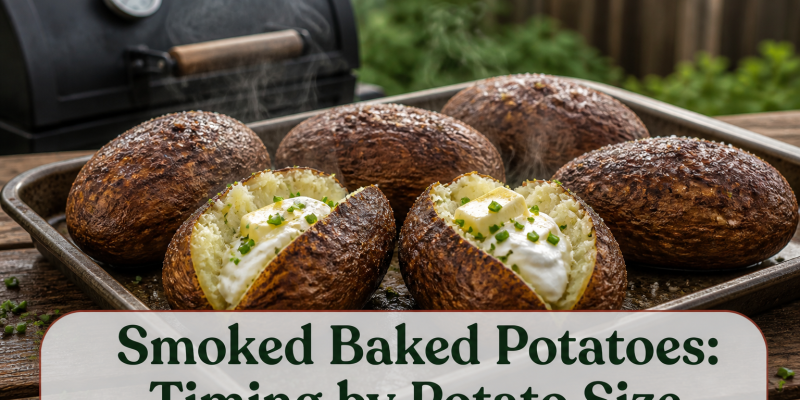
Weigh and measure russets, cook them unwrapped for crisp skin, and never leave foil-wrapped baked potatoes sitting at room temperature.
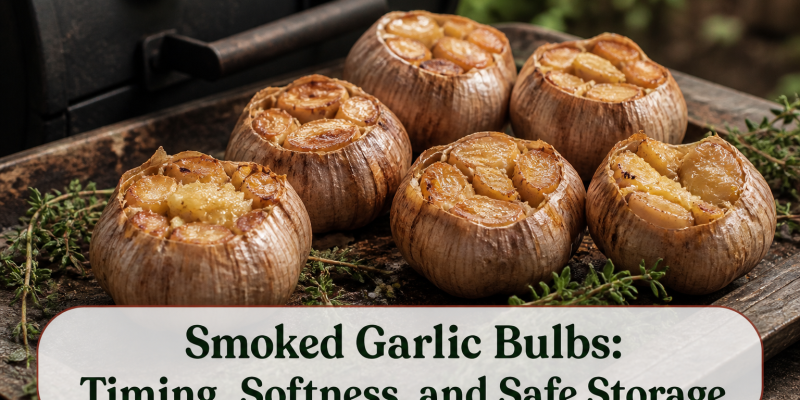
Keep the root intact, protect exposed cloves, choose a softness stage, and never store homemade garlic-in-oil at room temperature.
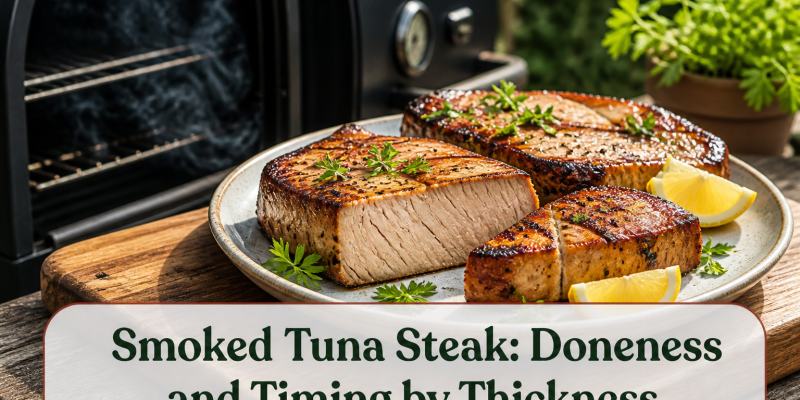
Treat tuna as seafood, not beef steak: keep it cold, hot-smoke by thickness, and verify the coldest center reaches 145°F for the general-audience method.
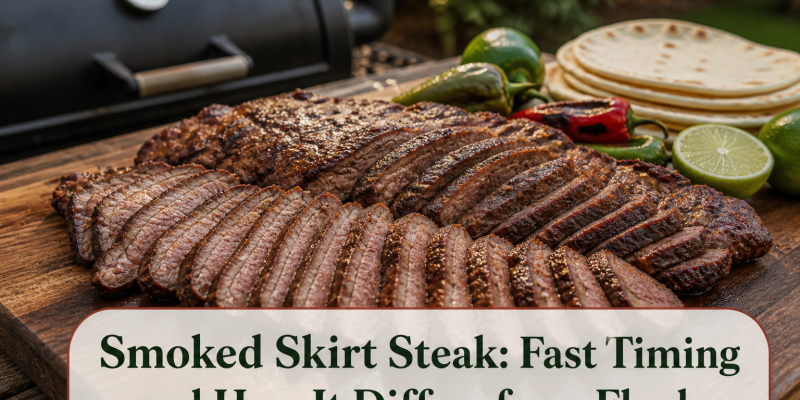
Skirt steak is thinner and more heavily grained than flank, so use a short smoke, a ready high-heat sear, and immediate across-grain carving.
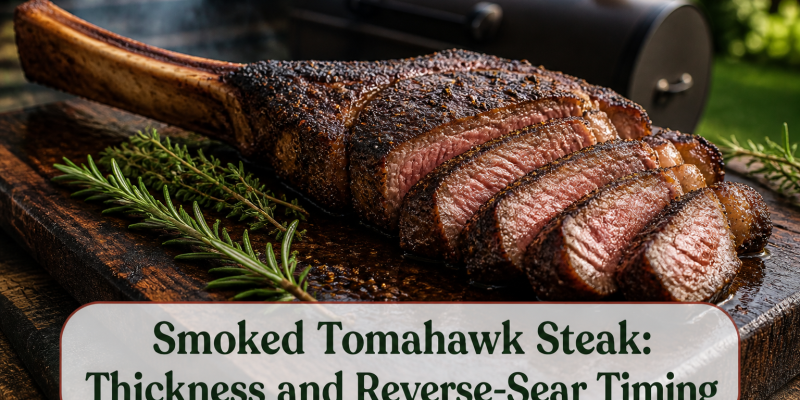
Measure the ribeye eye rather than the long bone, probe parallel from the side, and have the searing surface ready before the cold center approaches 145°F.
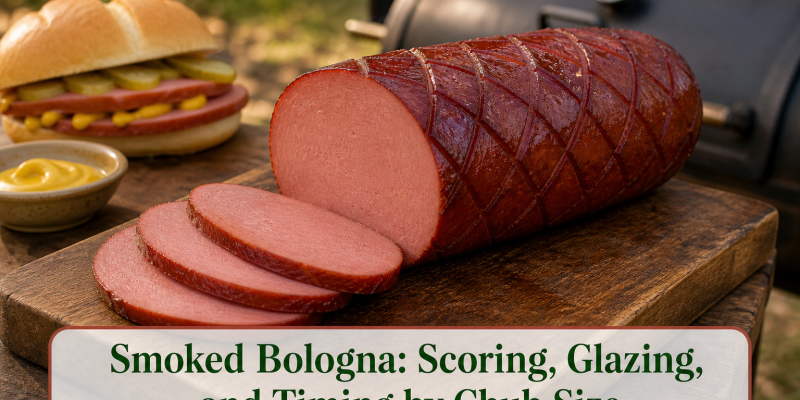
Confirm the chub is fully cooked, score only the surface, glaze late, and scale the smoke window by diameter while following the package and high-risk reheating guidance.
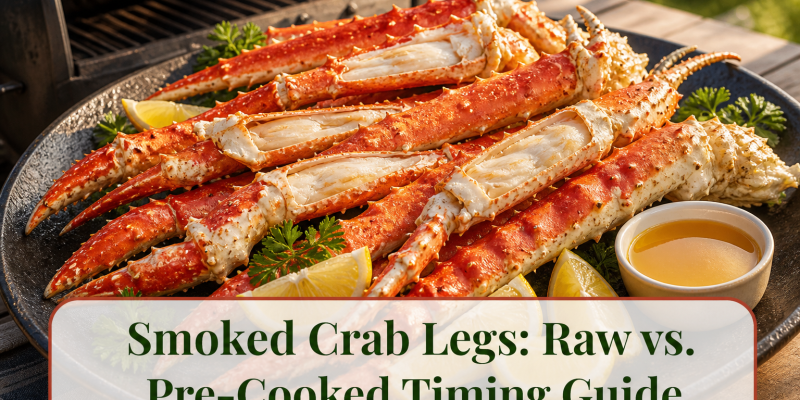
Most frozen Alaska crab legs are fully cooked and need gentle reheating; raw crab is a separate safety path that must reach 145°F.
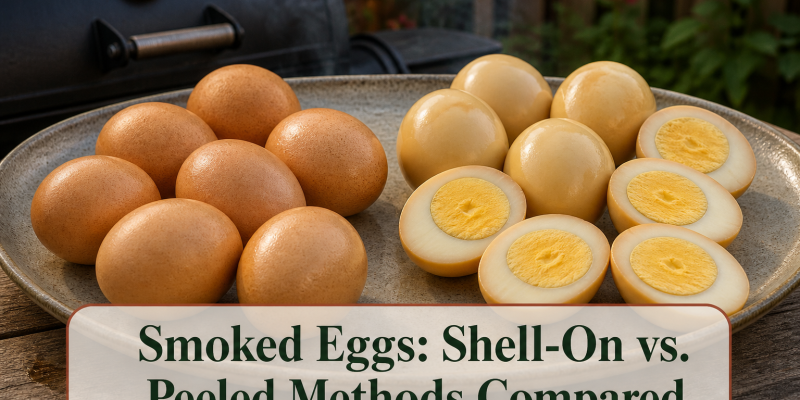
Shell-on cooking gives a subtler smoke result; peeled hard-cooked eggs take on color and aroma faster but need stricter cold-time tracking.
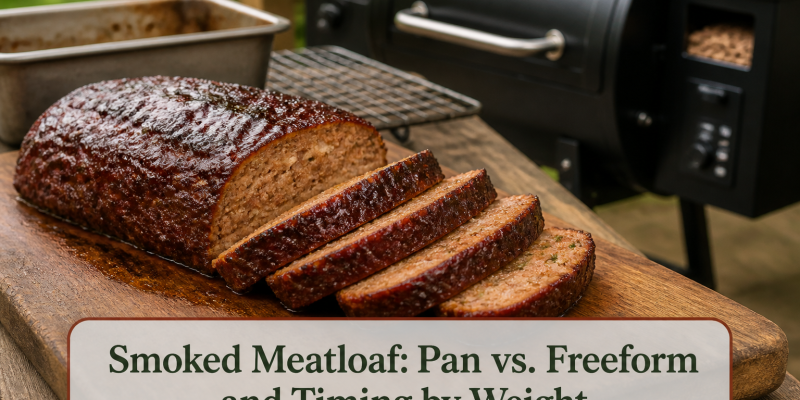
Shape controls time more than weight alone: use a low rectangular loaf, choose a pan or rack deliberately, and verify the cold center reaches 160°F.
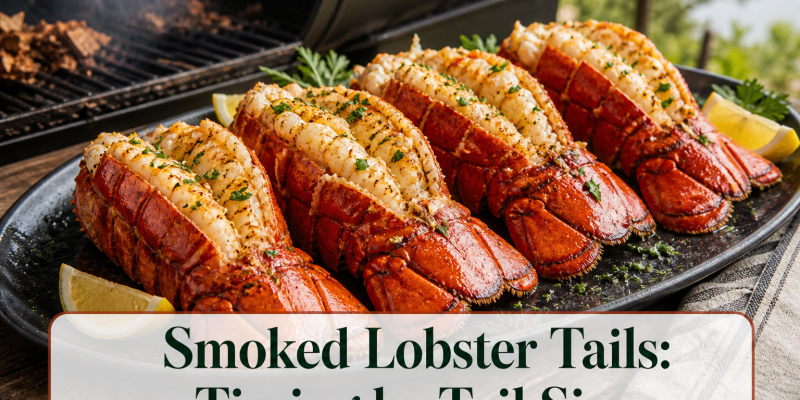
Match the first temperature check to tail weight, keep the meat attached to the shell, and remove each tail separately when its thickest meat reaches 145°F.
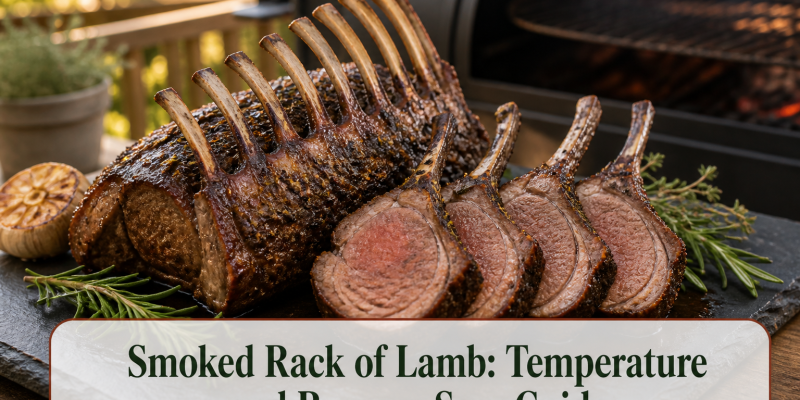
Measure the eye of the rack, probe parallel to the board away from bone, and move directly into a hot sear before the coldest center reaches 145°F.
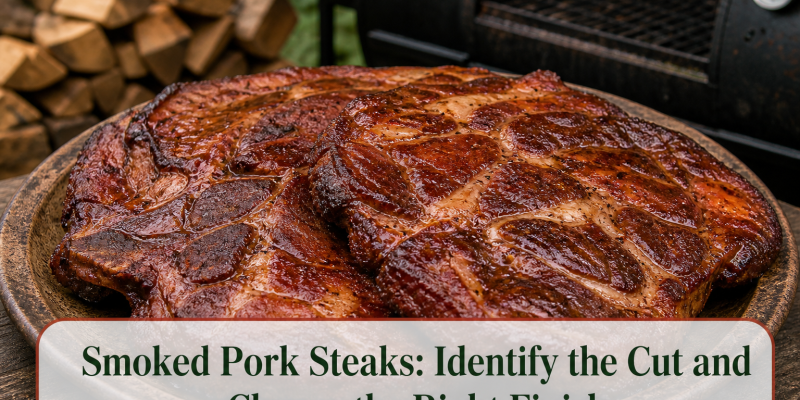
Confirm that the package contains shoulder or blade steaks, then match thickness and connective tissue to either a sliceable or covered tender finish.
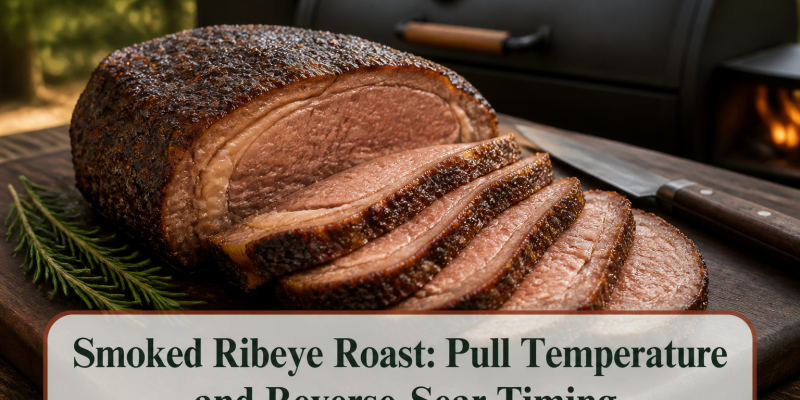
Use diameter-based checks, a prepared searing station, and a cold-point temperature map to smoke a ribeye roast without gambling on carryover heat.
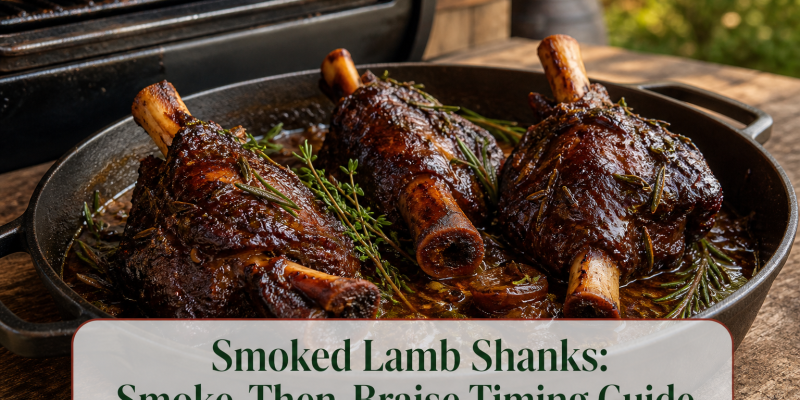
Build smoke on lamb shanks first, then finish them covered with hot braising liquid until the meat is safely cooked and genuinely probe-tender.