
Choosing your first smoker should feel exciting, not like homework. Yet the moment you start comparing electric cabinets, pellet grills, charcoal cookers, propane smokers, and offset pits, the options can blur together. One model promises easy temperature control, another promises stronger smoke flavor, and a third offers enough cooking space for a neighborhood party. The right answer depends on how you actually plan to cook.
PickASmoker helps home cooks sort through those tradeoffs. Our guides compare smoker types, useful features, practical limitations, fuel costs, cooking capacity, and ease of ownership. We do not believe one smoker is perfect for everyone. A busy beginner who wants dependable weekend ribs has different needs from someone who enjoys tending a charcoal fire for six hours.
This homepage is your starting point. You can compare the four main smoker types, learn what matters before you buy, and move into our detailed reviews and how-to guides when you are ready.
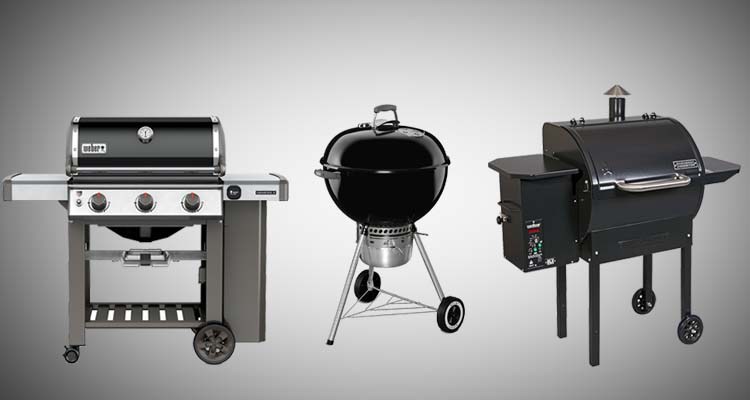
- Choose an electric smoker if simple controls, a compact footprint, and low fire-management effort matter most.
- Choose a gas smoker if you want steady heat, quick startup, and a vertical cabinet that can cook plenty of food.
- Choose a charcoal smoker if you value traditional fire control and a more pronounced charcoal-and-wood flavor.
- Choose a pellet smoker if you want digital temperature management plus the versatility to smoke, roast, and sometimes grill on one cooker.
How to Use PickASmoker
If you already know which fuel type you want, jump directly to the category below. Each section links to a complete roundup and related individual reviews. If you are still deciding, read the comparison and buying guide first. It will help you avoid paying for cooking space, electronics, or accessories you may never use.
Our recommendations are research-based. We compare manufacturer information, available documentation, useful specifications, replacement-part support, and recurring ownership concerns. We also explain where an attractive feature can create a tradeoff. A window may look convenient but require frequent cleaning. WiFi can help during an overnight cook, but it does not improve insulation or smoke flavor. A huge cooking-area number is not useful if the racks are too narrow for the brisket you want to cook.
Product lines, warranties, and prices change, so always confirm the current model number and seller details before ordering. Older reviews on PickASmoker remain useful for understanding design and ownership, but a discontinued model should not be mistaken for the newest version simply because the cabinets look alike.
Compare the Main Types of Smokers
The heat source changes more than flavor. It affects startup time, temperature control, cleanup, ongoing fuel cost, weather performance, and how closely you need to watch the cook. The four categories below cover the most common choices for a backyard buyer.
An electric smoker uses a resistance heating element to warm the cooking chamber. Wood chips, chunks, or a manufacturer-specific smoke source add flavor, while electricity supplies most of the cooking heat. This separation makes an electric cabinet easier to manage than a live charcoal fire.
For many beginners, that simplicity is the main attraction. You set the controller, allow the cabinet to preheat, add a modest amount of wood, and monitor the food with a thermometer. Digital models may control time and temperature, while basic analog models use a dial thermostat. Some current units add WiFi, Bluetooth, and multiple meat-probe inputs.
Electric cabinets are especially practical for ribs, pork shoulder, fish, sausage, jerky, and other low-and-slow foods. Their vertical design provides several rack levels without using much patio space. They also avoid propane-cylinder changes and charcoal ash. The tradeoff is a lighter smoke profile, dependence on a suitable outdoor outlet, and a temperature ceiling that may be too low for crisp poultry skin or hard searing.
- Best for: beginners, small patios, low-and-slow cooking, and cooks who want minimal fire management.
- Watch for: usable rack width, maximum temperature, controller weather protection, door seal, and replacement heating elements.
- Main limitation: most cabinet-style models are smokers first, not high-heat grills.
Read our best electric smoker buying guide for current buying advice, model comparisons, setup tips, and FAQs.
Masterbuilt 20077615 Digital Electric Smoker with Window
Summer season is almost here, and these are some of the times we like to hold our family gathering and events as well. ...
Masterbuilt 20077116 4-Rack Digital Electric Smoker with Leg Kit Review
It is difficult to talk about great electric smokers without mentioning the Masterbuilt Company in the same sentence. ...
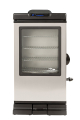
Masterbuilt 20072115 Bluetooth Smart Digital Electric Smoker
This Smoker Will Have You Eating From The Palm Of Your Hand. Check Out Masterbuilt 20072115 Bluetooth Smart Smoker full ...
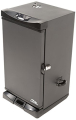
Masterbuilt 20078715 Electric Digital Smoker Front Controller, 30-Inch Review
Smoking is one of the most preferred methods of cooking meals that has been in constant use for a long time now. If you ...
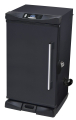
Masterbuilt 20070213 30-Inch Black Electric Digital Smoker, Front Controller review
Many people have taken to the electric smokers for the ease and convenience they offer. A general view is that electric ...
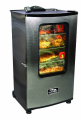
Masterbuilt 20070311 Electric Smoker Review
You don't necessarily need to be a master chef to prepare an excellent smoked fish or ribs. What do I mean? With the ...
A gas smoker normally uses propane to heat a wood-chip tray and the cooking chamber. Most are upright cabinets with one or more burners below the food racks. Turn the burner on, adjust the valve, and use the vents to keep clean smoke moving through the cooker.
Gas is appealing when you want a strong heat source without waiting for charcoal to light. A propane smoker can recover temperature quickly after the door opens, and the cabinet format often provides generous capacity for its footprint. There is no charcoal ash to remove, although you still need to clean grease, racks, the water pan, and the wood tray.
Do not treat a propane smoker as completely unattended. Wind can affect the flame, a cylinder can run low, and a dirty or poorly adjusted burner can create trouble. You need to monitor the cooker, keep the hose and regulator in good condition, and follow the leak-test and lighting instructions in the manual. A separate grate-level thermometer is helpful because many door gauges show the temperature in a different part of the cabinet from the food.
- Best for: cooks who want fast startup, steady cabinet heat, and useful capacity without electronic controls.
- Watch for: burner output, low-temperature control, door latches, rack spacing, hose condition, and cylinder access.
- Main limitation: you must manage fuel and flame safely, and very low settings can be harder to hold in some cabinets.
Explore our gas smoker reviews and buying guide to compare cabinet sizes, controls, and practical ownership details.
Smoke Hollow 38205GW 38-Inch Propane Gas Smoker
We all have various tastes and preferences, and if you are one of the individuals who love smoke-flavored meals, then ...
Smoke Hollow 44241G2 44-Inch Vertical LP Gas Smoker Review
Smoke Hollow Gas Smoker Review: The Smoke Hollow 44241G2 Vertical LP Gas smoker is one of the top quality smokers in ...
Char-Broil Vertical Smoker Review
Electric smokers have made our lives quite a bit easy. Not everyone has the privilege or budget of using an open flame ...
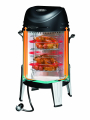
Char Broil Big Easy Review|Another Best Low Budget Smoker
It is not uncommon for homeowners to use their barbecue grills and roasters all throughout the year. Even though some ...
A charcoal smoker gives you direct control over the fire. Charcoal provides heat, while wood chunks add the smoke character you want. The category includes bullet smokers, drum cookers, ceramic kamados, kettles configured for indirect cooking, gravity-fed designs, and other layouts.
Charcoal rewards a little practice. You learn how the intake and exhaust vents affect the fire, how much fuel your cooker needs, and how weather changes the burn. Once a well-designed smoker settles into a stable range, it may run for hours with small adjustments. Getting to that point requires more attention than setting a digital controller.
The benefit is flexibility and a traditional cooking experience. Many charcoal smokers can run low for pork shoulder and ribs, then reach higher heat for chicken or grilling. Fuel is widely available, and there are fewer electronic parts to fail on a basic model. You will have ash to manage, and careless vent changes can create sharp temperature swings.
- Best for: cooks who enjoy learning fire control and want a strong charcoal-and-wood character.
- Watch for: airflow control, lid and door fit, charcoal access, stability, thermometer placement, and ash removal.
- Main limitation: startup and temperature management require more involvement than electric, gas, or automated pellet cooking.
See our best charcoal smoker guide, then compare suitable charcoal and wood before your first cook.

Top 5 Best Portable Charcoal Grills 2027
Top 5 Best Portable Charcoal Grills Lists 2027 Cuisinart CCG-190RB Portable Charcoal Grill, 14-Inch, Red Review ...
Top 7 Best Charcoal Chimney Starters Always
Getting a charcoal chimney starter in the market is not a big deal, the challenge is getting the best chimney starter. ...
![Best Charcoal for Smoking Reviews -[Buy Link Inside]](https://pickasmoker.com/wp-content/uploads/thumbs_dir/Best-charcoal-for-smoking-22j5vqlnbvtmvjeyw76xxlpxzy1t78q2b06yqs5fg17o.jpg)
Best Charcoal for Smoking Reviews -[Buy Link Inside]
Are looking for the best Best Charcoal for Smoking meat, fish, or similar foods? Well, you have come to the right ...
A Guide to Cleaning Your Charcoal Grill
Are you looking for a way to truly clean your charcoal grill? Because these grills rely on charcoal to cook up those ...
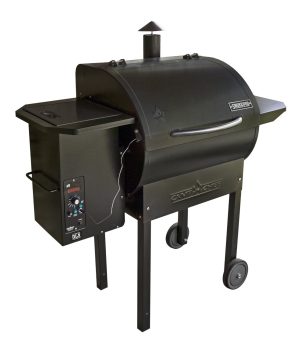
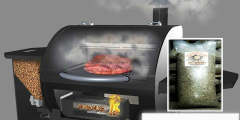
A pellet smoker burns food-grade hardwood pellets in a small fire pot. Electricity powers the controller, auger, and fan. The controller feeds pellets as needed and adjusts airflow to manage the cooking temperature. In practical terms, a pellet cooker combines a real wood fire with oven-like controls.
That combination makes pellet grills popular with cooks who want convenience without giving up live-fire cooking. Many models can smoke, roast, bake, and grill across a broader temperature range than a typical electric cabinet. A large horizontal grate is useful for brisket, ribs, burgers, and side dishes, while digital controls reduce the need for constant vent adjustments.
Pellet smokers are not maintenance-free. You need dry cooking pellets, reliable power, a clean fire pot, and enough fuel for the full session. Electronics, fans, and augers add possible service points. Smoke flavor can be gentler at higher temperatures because the fire burns more efficiently, and not every pellet grill creates a hard sear across the entire grate.
- Best for: beginners who want automation, frequent outdoor cooks, and households that want one cooker for smoking and roasting.
- Watch for: controller quality, hopper capacity, cleanout access, temperature range, grate dimensions, warranty, and parts support.
- Main limitation: purchase cost and mechanical complexity are usually higher than with a basic charcoal or electric smoker.
Use our pellet smoker buying guide to understand cooking capacity, controller features, and the tradeoffs behind automated cooking.
5 Best Wood Pellets For Perfect Smoking
Wood pellets have a wide range of application in household. Out of house, they’re often used to generate industrial ...
What About Offset Smokers and Smoker-Grill Combos?
The four categories above cover most first-time purchases, but they are not the only choices. An offset smoker has a firebox beside the cooking chamber. Heat and smoke travel across the food before leaving through the chimney. A well-built offset can deliver excellent barbecue and plenty of cooking space, but it asks more from the cook. You manage a small, clean wood or charcoal fire, add fuel regularly, and learn how temperature changes across the chamber.
Offset quality varies widely. Thick steel, sensible airflow, a useful firebox door, and a reasonably tight cooking chamber matter more than decorative shelves. A thin, leaky offset may be cheap to buy and frustrating to run in wind or cold weather. Compare those construction details carefully if tending a fire is part of the experience you want.
A smoker-grill combo is attractive when patio space is limited. Some designs provide separate gas and charcoal chambers; others use pellets, charcoal, or electricity across a wide temperature range. The compromise is that a multi-purpose cooker may not be equally strong at every job. Ask whether you mostly smoke, mostly grill, or genuinely do both every week before choosing a combo layout.
- You want the easiest route to ribs and pork shoulder: start with electric or pellet.
- You want simple controls without depending on an outlet: consider a propane cabinet.
- You enjoy building and adjusting a fire: choose charcoal or a well-built offset.
- You cook burgers and steaks more often than long barbecue: prioritize a grill or versatile pellet cooker over a low-temperature-only cabinet.
- You have very little patio space: compare compact vertical smokers, but measure rack width before buying.
Smoker Buying Guide: The Details That Matter
Marketing pages make almost every cooker sound effortless. A better buying decision starts with your food, space, schedule, and tolerance for cleanup. Work through the factors below before comparing bonus features.
1. Decide how much fire management you enjoy
This is the most important choice because it shapes every cook. Electric, pellet, and many gas smokers reduce the work of holding temperature. Charcoal and offset smokers make the fire part of the process. Neither approach is more legitimate. The best smoker is the one you will actually light on a normal weekend.
If you like checking vents, adding fuel, and responding to weather, charcoal can be satisfying. If you want to prepare the meat, set a controller, and monitor temperatures while doing something else, electric or pellet will fit your routine better. Gas sits between them: burner adjustment is simple, but you still need to supervise the flame and fuel supply.
2. Measure usable cooking space, not just square inches
Manufacturers often total every rack to produce a large cooking-area number. That number helps with wings, jerky, and sausages, but it can hide narrow shelves. A full packer brisket and uncut racks of ribs need width. Tall foods need space between racks.
Write down the largest meal you expect to cook at one time. Then check actual rack dimensions and the number of positions. Also consider whether the top rack runs warmer, whether a large water pan blocks the lowest shelf, and whether you can remove racks easily with gloved hands. Buying for one realistic holiday meal is smarter than paying for capacity you will never fill.
3. Match the temperature range to the food
Traditional barbecue usually lives in the low-and-slow range, but a smoker with a broader ceiling is more versatile. A cabinet that tops out around 275°F can handle pork shoulder, ribs, brisket, fish, and sausage. Poultry skin is easier to crisp at a higher temperature, and a true sear requires much more direct heat.
Do not assume a high number on the control panel means the entire grate can sear. Read how the heat reaches the food. Some pellet cookers have a direct-flame area or removable diffuser, while others remain convection cookers at every setting. You can always smoke chicken low and finish it on a hot grill or in an oven if your smoker has a modest maximum.
4. Look for stable control and sensible thermometer placement
A precise display is not the same as an even cooking chamber. The built-in sensor measures one location, and temperatures can differ near the walls, door, exhaust, or heat source. A dependable dual-probe thermometer lets you monitor the temperature beside the food and the internal temperature of the meat.
Small rises and falls are normal. You care about the average cooking environment and how quickly the smoker recovers after the door opens. Strong insulation, good airflow, a correctly sized heat source, and a tight door often matter more than a bright touchscreen.
5. Consider fuel availability and operating cost
The cheapest smoker to buy is not always the cheapest to own. Electric smokers use modest amounts of wood because the element supplies the heat. Propane models need a filled cylinder. Charcoal smokers consume briquettes or lump charcoal plus wood chunks, while pellet cookers need dry food-grade pellets and electricity.
Check what is easy to buy near you. Mail-order fuel can turn a small saving into an inconvenience. For pellet grills, use pellets intended for cooking, not heating pellets. If you cook in winter, better insulation may save fuel and reduce frustration more effectively than choosing the smallest burner or element.
6. Inspect construction, seals, and weather resistance
A smoker lives through heat cycles, grease, humidity, and outdoor storage. Look for stable legs or wheels, protected wiring, solid hinges, a door that closes evenly, and surfaces you can clean without reaching around sharp edges. Thick steel and insulation help in cold or windy conditions, but they also add weight.
A little smoke around a door is not automatically a failure. Heavy leakage that prevents temperature control is different. Read the warranty terms, confirm which components are covered, and see whether heating elements, probes, controllers, grates, and gaskets are sold separately. Replacement parts can matter more than an extra year printed on a warranty banner.
7. Plan for cleaning before you buy
Grease management is a daily ownership issue. Removable drip trays, accessible water pans, smooth rack supports, and a simple ash or fire-pot cleanout save time. A glass window does not stay clear by itself; smoke and condensation create a film that needs regular wiping.
You do not need to scrub the cooking chamber to bare metal after every session. Remove loose buildup, empty grease safely, wash food-contact surfaces, and keep drains open. Follow the manual because water and degreaser can damage burners, sensors, electrical connections, or painted surfaces.
8. Treat smart features as tools, not proof of quality
WiFi, Bluetooth, recipe apps, and programmable cook stages can be useful. Remote alerts may keep you from opening the door, and multiple probe channels help when you cook different meats. These features are worth paying for only if you will use them.
Connectivity does not fix poor insulation, narrow racks, or weak customer support. Ask what happens if the app changes, the home WiFi drops, or a probe fails. A smoker should still perform its basic cooking job without turning a connection problem into a ruined dinner.
- Measure the smoker’s footprint, door swing, storage route, and distance to a safe outdoor cooking area.
- Measure the food you cook most often and compare it with the usable rack dimensions.
- Choose a fuel type you can buy and store easily.
- Check the maximum temperature and whether the cooker can truly grill or sear.
- Confirm that grease, ash, water pans, and fire pots are easy to reach.
- Look for available probes, heating elements, controllers, gaskets, and other replacement parts.
- Read the current warranty and return policy for the exact model and seller.
- Include a food thermometer, cover, gloves, and safe fuel or power setup in your budget.
Best Smoker for Beginners: A Simple Decision
Most beginners do well with an electric smoker, pellet smoker, or forgiving charcoal cooker. The right choice depends on whether you want convenience or fire-building practice.
Choose electric when low-and-slow smoking is the goal and you do not need one machine to sear steaks. It is usually the least intimidating cabinet style: plug it into an appropriate outdoor outlet, preheat it, add wood as directed, and monitor the food. Choose pellet when you want similar controller convenience plus a larger horizontal cooking surface and a wider menu. Choose charcoal when learning vents and fuel is part of the fun rather than a chore.
Avoid buying the largest, most connected smoker simply because it looks future-proof. A manageable cooker teaches you more because you will use it more often. One pork shoulder, a rack or two of ribs, chicken pieces, and smoked sausage are enough to build your timing and temperature skills.
Your first three accessories should be a reliable food thermometer, heat-resistant gloves, and a cover that fits. After that, buy tools only when a real problem appears. Useful basics solve a clear safety, temperature-control, or maintenance need; clutter does not.
Safe Setup and Your First Cook
Read the manual for your exact smoker before assembly or ignition. Put the cooker outdoors on a stable, level, noncombustible surface with open ventilation. Keep it away from walls, railings, dry leaves, low rooflines, and anything else that can burn. As CPSC outdoor-cooking safety guidance explains, grills can create fire, burn, and carbon-monoxide hazards. Wood, charcoal, gas, and wood chips produce smoke and carbon monoxide; an electric heating element does not make an outdoor smoker safe inside a home or garage.
Season the smoker if the manufacturer requires it. An empty high-temperature run can remove manufacturing residue and begin coating the interior, but the time and setting vary by model. Check fasteners, racks, drip trays, fuel connections, cords, and vents before the first cook.
Preheat the chamber and place an air probe near the food. The USDA guidance for smoking meat and poultry recommends monitoring the smoker or grill so the cooking temperature remains between 225°F and 300°F during hot smoking. Use a separate food thermometer to verify safe internal temperature; time and appearance alone are not dependable.
Whole cuts of beef, pork, veal, and lamb should reach at least 145°F and rest for three minutes. Ground meats should reach 160°F, poultry 165°F, and fish 145°F. Barbecue cooks often take tough cuts such as pork shoulder or brisket well beyond their minimum safe temperature to soften collagen. That higher finishing point is a texture decision, not a different safety rule.
Add wood gradually. Heavy white smoke can make food bitter, while a clean, light stream usually produces a better result. Keep the exhaust open as the manufacturer directs, resist opening the door repeatedly, and cook to internal temperature and tenderness rather than a rigid clock. For more beginner steps, see our guide to using a smoker grill.
- Use outdoor smokers outdoors with clear ventilation; never rely on an open garage door.
- Keep children and pets away from hot surfaces, cords, fuel, grease pans, and the cooker path.
- Follow the manual for propane leak checks, electrical connections, extension cords, and shutdown.
- Keep raw meat separate from cooked food and use clean utensils after the food is cooked.
- Verify chamber and food temperatures with dependable thermometers.
- Let ash, grease, and the cooker cool completely before cleaning, covering, or storing them.
Build Better Smoke Flavor
The wood species matters, but clean combustion matters more. Hickory and mesquite are assertive; oak is versatile; apple and cherry are milder and slightly sweet. The food, smoker, wood size, and amount of airflow all change the result. Start with less wood than you think you need, take notes, and add more on the next cook if the flavor is too light.
Use the wood form designed for your cooker. Electric and gas cabinets often use chips or small chunks. Charcoal smokers commonly pair charcoal with fist-sized wood chunks. Pellet smokers need food-grade pellets sized for their auger. Do not place large chunks in a narrow chip loader or use home-heating pellets in a food cooker.
Treat wood-pairing charts as starting points, not laws. A clean oak fire tastes better than an overloaded apple-wood tray producing stale smoke. Change one variable at a time and note the species, amount, cooking temperature, and result.
Frequently Asked Questions
What is the difference between a smoker and a grill?
A smoker is designed to cook with indirect heat and controlled smoke, usually over a longer period. A grill is designed primarily for direct or high radiant heat and faster cooking. Some products handle both jobs, but you should confirm how they manage low temperatures, smoke production, and direct searing rather than relying on the word “combo.”
What type of smoker is easiest to use?
Electric and pellet smokers are usually the easiest because a controller manages most temperature adjustments. Gas smokers are also straightforward once lit and adjusted. Charcoal and offset smokers need more active fire management, although a stable charcoal cooker can become predictable with practice.
Is an electric smoker good for a beginner?
Yes. An electric cabinet is a practical beginner choice when you mainly want ribs, pork shoulder, fish, sausage, or brisket and do not need high-heat grilling. Check rack dimensions, maximum temperature, outlet requirements, and parts availability before buying.
Does a pellet smoker taste like a charcoal smoker?
Not exactly. Pellet cookers burn real wood, but their fan-assisted, controlled fire often produces a cleaner and gentler smoke profile than charcoal paired with wood chunks. Flavor also depends on cooking temperature, pellet quality, airflow, and how long the food remains exposed to smoke.
How large should my smoker be?
Buy for the largest meal you cook several times a year, not an imaginary event. A compact smoker may handle normal family meals but require ribs to be cut or a brisket to be positioned diagonally. Measure the actual racks and food because the total advertised area can be misleading.
Do I need a water pan?
Not every smoker requires one. A water pan can moderate the cooking environment, catch drippings, and reduce the chance of grease burning near the heat source. It does not push moisture deep into the meat. Use it as the manual or recipe directs and handle the hot liquid carefully.
Should I soak wood chips?
Usually, dry chips work well because wet chips must dry before they smolder. Some manufacturer instructions still specify soaking for a particular tray or loading system. Follow the manual for your smoker instead of treating one rule as universal.
Can I use a smoker in the rain?
Do not expose electrical controls, plugs, cords, or fuel systems to conditions the manufacturer does not permit. Water also creates slippery surfaces and can damage finishes. If weather is uncertain, postpone the cook or use a properly designed, well-ventilated outdoor shelter that maintains every required clearance. Never move the smoker into a garage or enclosed porch to keep cooking.
How often should a smoker be cleaned?
Empty grease and ash after they are completely cool, clean food-contact surfaces, and keep drains and vents clear. Remove loose carbon or creosote before it flakes onto food. The exact routine depends on the design and how often you cook, so follow the maintenance schedule in the manual.
What should I smoke first?
Pork shoulder is forgiving because its fat and connective tissue tolerate a long cook. Chicken pieces and sausages finish faster but require close attention to safe internal temperature. Start with one main food, use a dependable thermometer, and record the weather, chamber setting, timing, and result for your next cook.
The best smoker is the one that matches your schedule as closely as it matches your preferred flavor. Choose electric for simple low-and-slow cabinet cooking, gas for fast and steady vertical heat, charcoal for hands-on fire control, or pellet for digital convenience and broader outdoor-cooking versatility. Consider an offset only if tending a live fire sounds rewarding rather than inconvenient.
Measure your space and food, budget for a thermometer and cover, and read the exact manual before the first cook. Then pick one manageable recipe and learn how your cooker responds. Good barbecue comes from repeatable habits more than a long feature list.
Happy smoking!
How to Get the Most From PickASmoker
Start with fuel type and cooking style, then narrow the choice by usable capacity, temperature control, cleanup, storage, and long-term operating cost. After a shortlist is clear, read the individual reviews and technique guides that match how you plan to cook.
Product packages, apps, warranties, and availability can change. Always confirm the exact model number and current manual before buying or operating a smoker. PickASmoker’s comparisons are designed to organize the decision and explain tradeoffs—not to replace the safety instructions for a specific appliance.