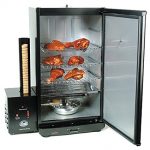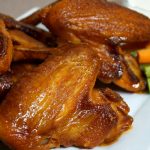
Wood chips give an electric smoker its barbecue character, but more smoke does not automatically mean better flavor. The best results come from following the smoker manual, using a modest amount of clean food-safe wood, and adding chips only when the cook still benefits from smoke.
Preheat the electric smoker outdoors, load the manufacturer-approved chip tray or side loader with dry food-safe wood chips unless the manual says otherwise, and wait for clean smoke before adding food. Start with a small amount. Add more only after the first load has finished and the meat still needs smoke flavor. Never place chips directly on an exposed heating element unless the appliance instructions explicitly require it.
Check the Manual Before Loading Wood
Electric smokers handle wood in different ways. Some use a removable side loader, some have a tray above the heating element, and others use proprietary pucks or a separate cold-smoke attachment. The correct amount, chip size, and loading method depend on that design.
Do not improvise with a pan that blocks airflow or rests against wiring. Confirm whether the unit permits adding chips while hot and use the supplied handle or heat-resistant gloves. If the manual says to turn the smoker off before removing the loader, follow that sequence.
Use Only Food-Safe Smoking Wood
Buy chips sold for cooking or use clean hardwood from a source you trust. Never smoke with pressure-treated lumber, painted or stained scraps, plywood, particleboard, moldy wood, or wood of an unknown species. Softwoods such as pine contain resins that can create unpleasant smoke and are not standard cooking woods.
| Wood chip | Flavor strength | Good starting foods |
|---|---|---|
| Apple | Mild | Pork, poultry, salmon, vegetables |
| Cherry | Mild-medium | Pork, poultry, beef, vegetables |
| Maple | Mild | Ham, poultry, pork, cheese |
| Oak | Medium | Beef, pork, lamb, poultry |
| Pecan | Medium | Pork, poultry, beef |
| Hickory | Medium-strong | Ribs, pork shoulder, brisket |
| Mesquite | Strong | Short beef and game cooks |
Should You Soak Wood Chips?
Follow the smoker manufacturer’s instructions. Many electric-smoker chip trays are designed for dry chips. Soaking can delay smoke, create steam, and leave wet material in a tray without improving the final flavor. Some traditional charcoal-smoking instructions suggest damp chips to slow flare-ups, but that advice does not automatically apply to an enclosed electric chip system.
If the manual permits either method, begin with dry chips and a small load. They should smolder in the intended tray rather than burst into sustained flame.
Step 1: Set Up the Smoker Outdoors
Place the smoker on a stable, level, noncombustible surface with the clearances specified in the manual. Keep it away from walls, railings, dry vegetation, children, pets, and foot traffic. Electric smokers still burn wood, so they create smoke and carbon monoxide and must not be operated indoors, in a garage, or in an enclosed porch.
Plug the smoker directly into a suitable grounded outdoor receptacle when possible. If the manual allows an extension cord, use an outdoor-rated cord with the required wire gauge and load capacity. Protect connections from water.
Step 2: Preheat the Empty Chamber
Install the racks, drip tray, water pan if your model uses one, and clean chip system. Preheat to the recipe temperature before loading food. A separate grate-level probe helps confirm that the controller and cooking area agree.
Preheating stabilizes the chamber and burns off moisture left from cleaning. It also lets you verify that the chip tray begins smoking as expected before raw food is inside.
Step 3: Add a Small Load of Chips
Fill the tray or loader only to the manual’s recommended level. For a first cook, use less than the maximum. Heavy white smoke can leave a bitter coating, while a light, steady exhaust gives you more control.
Insert the loader fully and close any access door. Do not leave the main smoker door open while waiting for smoke; the temperature will fall and the heating cycle may become erratic.
Step 4: Add Food When the Smoke Is Clean
Load the food after the chamber is stable and the first harsh burst of smoke has settled. Leave space around racks and pans for circulation. Keep raw meat cold until this point rather than letting it sit beside the smoker.
Use a food thermometer for doneness and safety. The USDA recommends a smoker thermometer and a food thermometer because time alone cannot account for food size, outdoor weather, and actual chamber heat.
Step 5: Add More Chips Only When Needed
Most foods absorb plenty of smoke during the earlier part of a cook. Wait until the first load has stopped producing smoke before adding more. Delicate fish, poultry, and vegetables may need only one small load, while a large pork shoulder or brisket can handle a second modest load.
Do not keep adding chips simply because the exhaust becomes invisible. Clean smoke can be difficult to see, and excessive wood is one of the quickest ways to make food taste sharp or ashy.
How Much Wood Should You Use?
The appliance manual is the first authority. Chip trays vary widely, so a universal cup measurement can overfill a small system. Start with one normal tray or loader charge and record the result. On the next cook, adjust the amount or wood strength—not several variables at once.
A mild wood can be used more generously than mesquite or hickory, but cooking time matters too. A long brisket cook builds more smoke exposure than a short salmon cook even when the tray holds the same amount.
Troubleshooting Wood Chips in an Electric Smoker
The chips will not smoke
Confirm the smoker has preheated, the tray is seated correctly, and the chips are dry if required. Very low controller settings may not cycle the heating element long enough to keep some chip trays smoldering. Use only a manufacturer-approved accessory if the model needs help generating smoke at low heat.
The smoke is thick and bitter
Reduce the wood load, make sure vents are not blocked, and clean old grease or carbon from the chip system. Do not close an exhaust vent completely; the smoker needs airflow.
The chips catch fire
Turn off and unplug the smoker if the manual directs, keep the door closed when safe to limit oxygen, and follow the appliance fire procedure. Once cool, check for an overfilled or incorrectly positioned tray. Never pour water onto energized electrical components.
Smoke stops too soon
A small tray may simply be finished. Add another approved load only if the food still needs smoke. Opening the main door to inspect chips can cause more temperature loss than the extra smoke is worth.
Cleaning the Chip Tray
Unplug the smoker and let every component cool completely. Empty cold ash into a noncombustible container, then clean the tray according to the manual. Remove loose residue that can block airflow, but do not damage protective coatings or electrical connections.
Create a Repeatable Wood-Chip Routine
Write down the chip type, dry volume, loading time, vent setting, and how long visible smoke lasted. On the next cook, change only one detail. This prevents the common cycle of adding more wood whenever smoke becomes difficult to see, which can create a harsh flavor.
Clean combustion often produces a light stream that is easy to miss. Let aroma, food color, and the previous cook guide your adjustment, and stay within the loading method approved for your exact electric smoker. A small repeatable dose is easier to improve than an unmeasured handful.
Related PickASmoker Guides
- Choose a flavor with the complete wood pairing guide.
- Compare larger pieces in our guide to the best smoking wood chunks.
- Review beginner-friendly models in the electric smoker buying guide.
- Protect the chamber and chip system with our smoker cleaning guide.
Start with clean dry wood, a stable outdoor setup, and a smaller load than you think you need. Electric smokers make temperature control convenient, but good smoke still depends on airflow, restraint, and the method approved for your exact model.
For current food-safety basics, review the USDA FSIS smoking meat and poultry guidance before cooking or serving smoked food.